Plastic Fiberglass Radome for Radar Antenna
Plastic Fiberglass Radome for Radar Antenna
Material: High-strength plastic fiberglass with >15% glass fiber reinforcement.
Performance: UV Stable, Waterproof, Temperature Resistant
Specifications
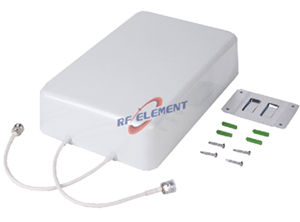
This plastic fiberglass radome is a custom-moulded cover for radar and outdoor antenna arrays, built with more than 15 percent glass fibre reinforcement for stiffness, UV stability, waterproofing and temperature resistance. It is produced by injection moulding to the client's geometry, so the cover can be matched to an existing antenna envelope, mounting ring and cable exit rather than adapted from a catalogue size.
What a radome has to do electrically
A radome is a structural part that sits in the RF path, and those two jobs pull against each other. The wall has to be stiff enough to hold its shape in wind and thick enough to survive impact, yet thin and electrically uniform enough that the signal passes through with minimal loss and without bending the beam. Wall thickness variation is the more damaging of the two effects at radar frequencies: a cover that is a fraction of a millimetre thicker on one side shifts the phase across the aperture and tilts the pattern, which shows up as a pointing error that no amount of antenna alignment can fix.
Glass fibre reinforcement improves stiffness and dimensional stability, which is why it is used here. The resin system and the fibre sizing are selected so that the cured wall stays uniform around the full circumference, and the outside surface is UV stabilized so that long outdoor exposure does not chalk the surface or change its dielectric behaviour.
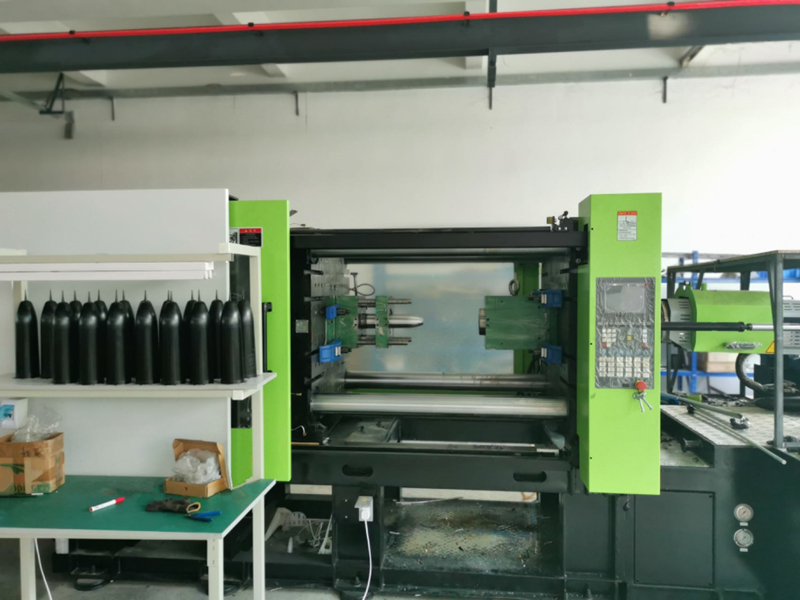
Injection moulding above 15 percent glass fibre
Raising the glass content is not simply a matter of adding more fibre to the compound. Fibre loading increases the melt viscosity and reduces flowability, so the material resists filling thin sections and the pressure inside the tool becomes harder to control. In practice that shows up as short shots, weld lines and voids, any of which is a reject in a radome because the wall has to be continuous and uniform.
We addressed it on three fronts. The moulding process was set up specifically for high-fibre compound rather than running the standard parameters for unfilled plastic. The tool was revised to improve flow paths, venting and temperature distribution so that the melt reaches the far sections before it freezes. And the surface treatment agents were optimized to strengthen the bond between the glass fibres and the resin, because a weak interface produces a part that looks acceptable but loses strength and weather resistance in service.
Material selection followed the same logic: a fibre-reinforced grade that offers the right balance of strength and workability, rather than the highest fibre content available. Process settings were then adjusted to preserve the structural integrity and the weather resistance of the moulded part, and each radome is inspected against the agreed specification before shipment.
Specifications
| Parameter | Value |
|---|---|
| Material | High-strength plastic fiberglass |
| Glass fibre reinforcement | >15% |
| Weather resistance | UV stable, waterproof |
| Temperature | Outdoor temperature resistant |
| Process | Injection moulding, custom tooling |
| Application | Radar and outdoor antenna arrays |
Customization and ordering
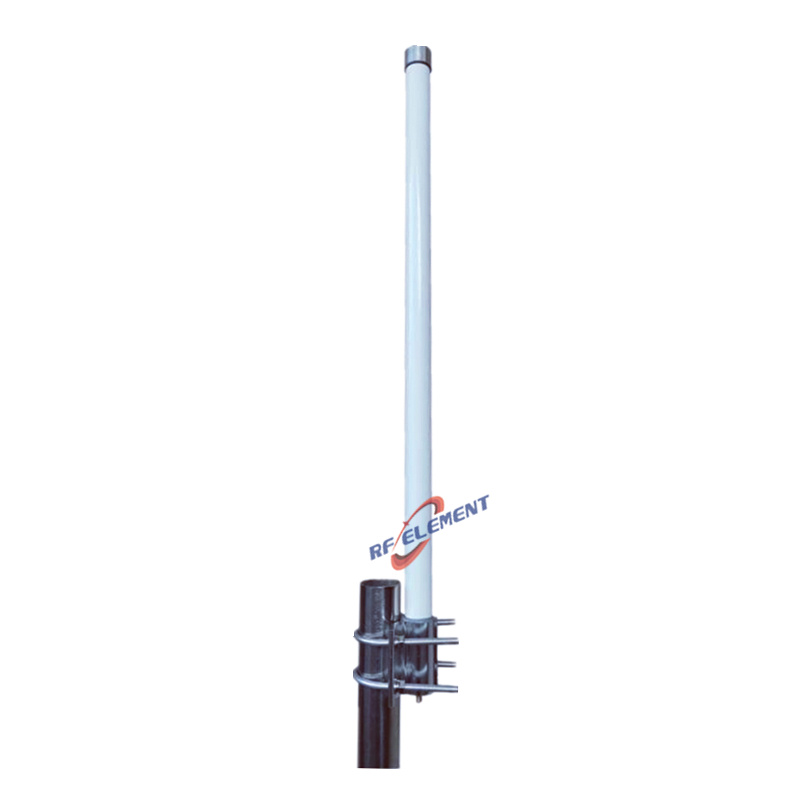
Radomes are made to drawing: diameter, height, wall thickness, colour, flange or mounting ring, cable exit position and surface finish can all be specified. A matching fiberglass antenna housing is available where the project needs the radome and the antenna from the same tooling family, as in our 3.5GHz fiberglass omni antenna.
Send the drawing, material requirement, wall thickness and quantity to sales@rfelement.com. Tooling and samples are typically ready in 3-5 working days after drawing approval, and mass production in 15-25 working days.
FAQ — Plastic Fiberglass Radome for Radar Antenna
What is the Plastic Fiberglass Radome for Radar Antenna used for?
What frequency band does the Plastic Fiberglass Radome for Radar Antenna cover?
What are the key specifications of the Plastic Fiberglass Radome for Radar Antenna?
Can RF element customize the Plastic Fiberglass Radome for Radar Antenna for my application?
What is the MOQ and lead time for the Plastic Fiberglass Radome for Radar Antenna?
How do I get a quotation for the Plastic Fiberglass Radome for Radar Antenna?