

Who We Are
RF element is a 5G antenna manufacturer and wireless solution provider based in Zhaoqing, China, in operation since 2017.
Our product portfolio covers UHF VHF, 4G LTE, WiFi, RFID, and LoRa antennas, with 5G antennas as the flagship line and microwave antennas extending coverage up to 13 GHz.
We provide full-cycle antenna development services — RF design, chamber testing, and radio integration — for both standard products and custom requirements. Customization options include gain, frequency, antenna dimensions, and OEM packaging.
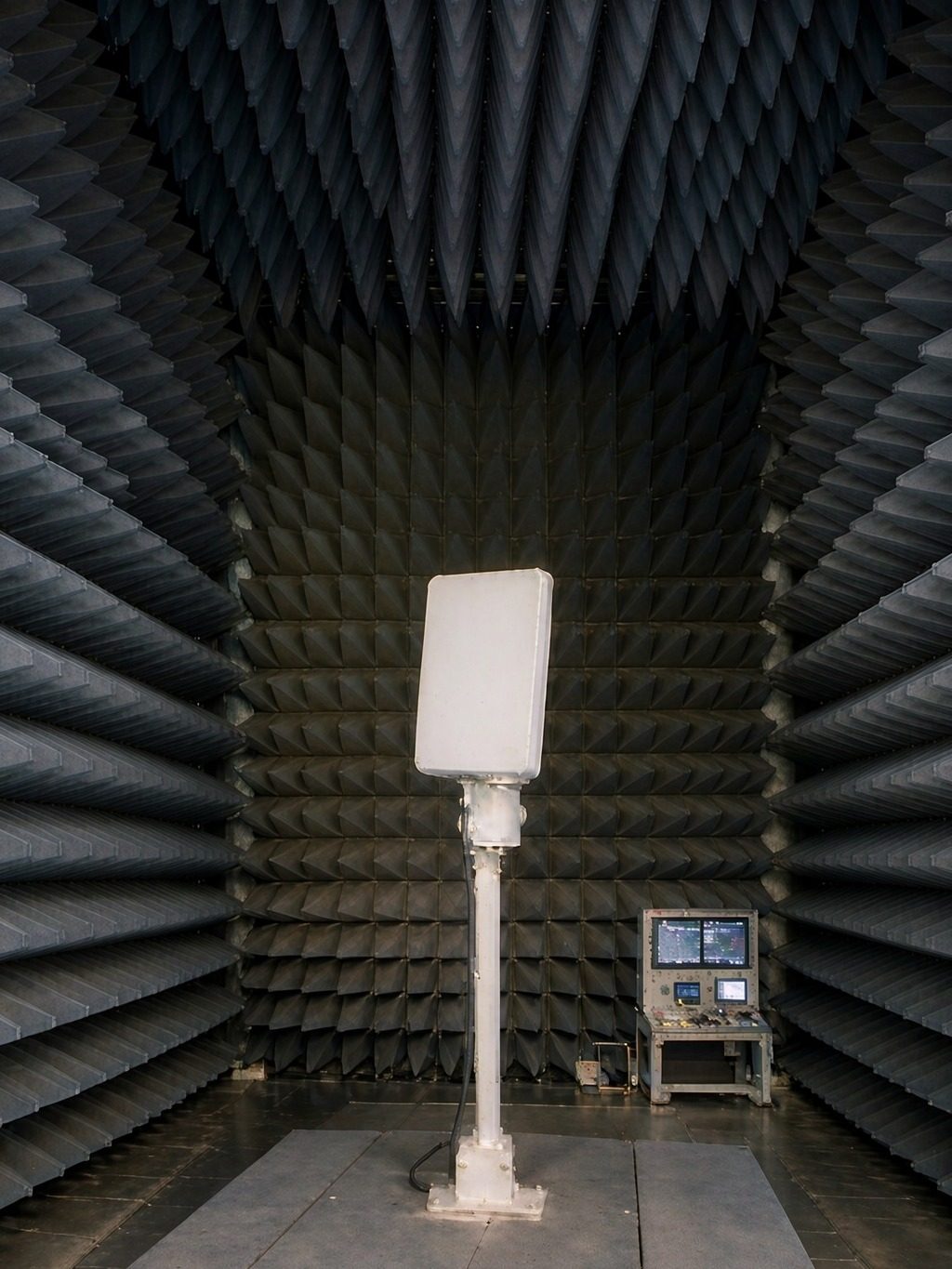
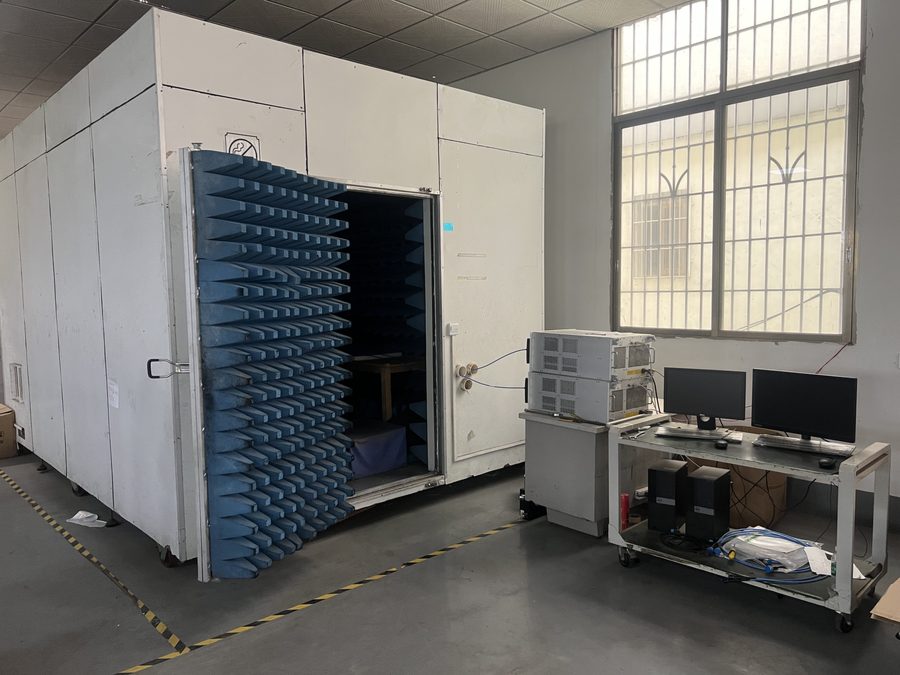
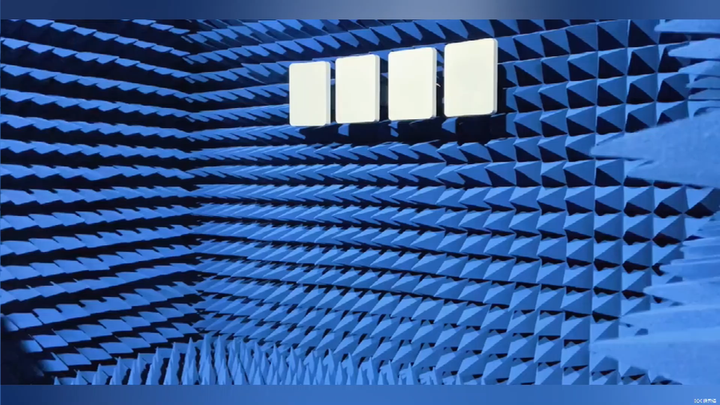
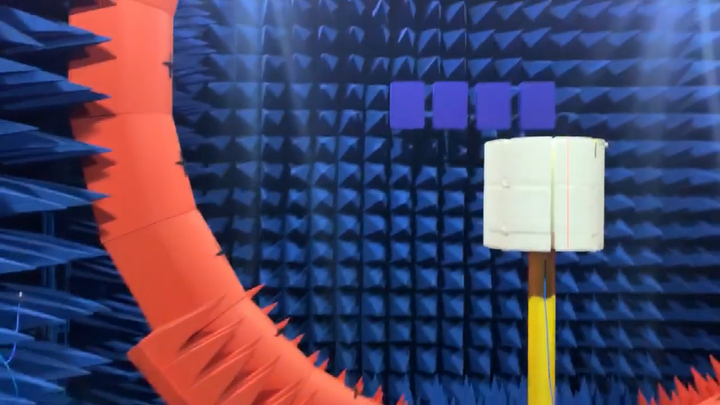
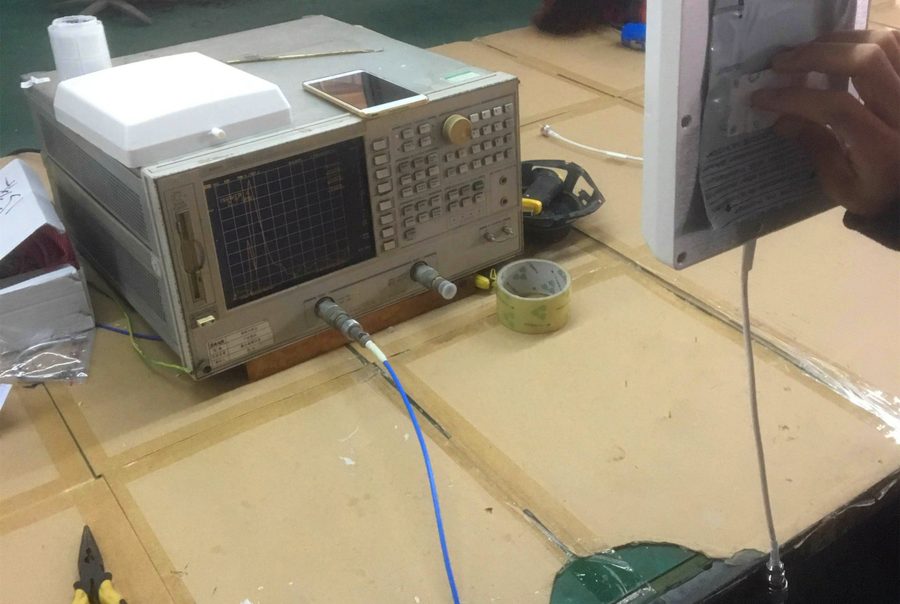
Every low-PIM antenna we ship is 100% tested in our own microwave anechoic chamber, specified at -150 dBc @ 2x20W. Chamber test data comes with the product.
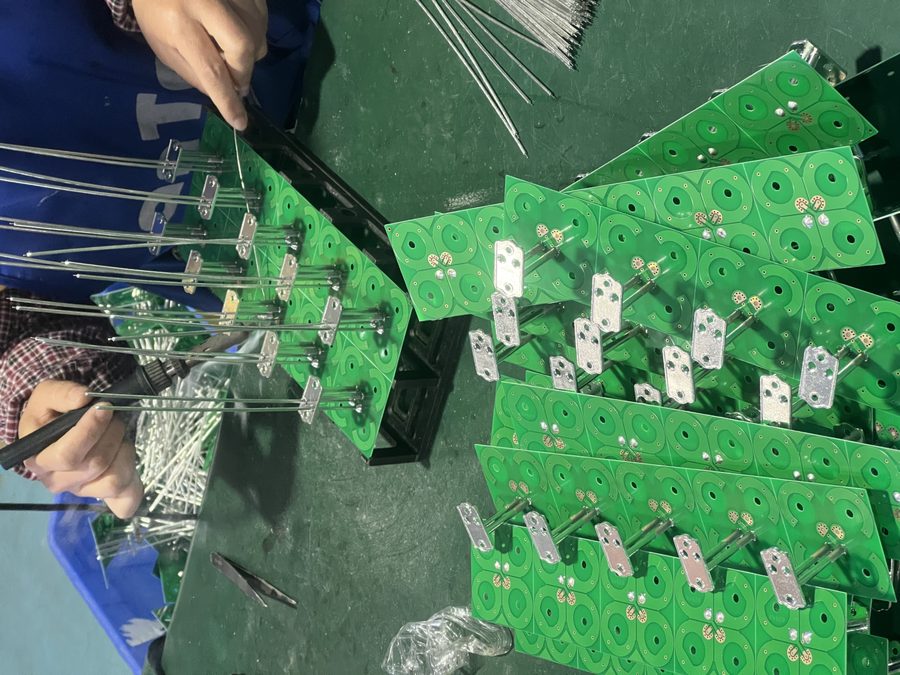
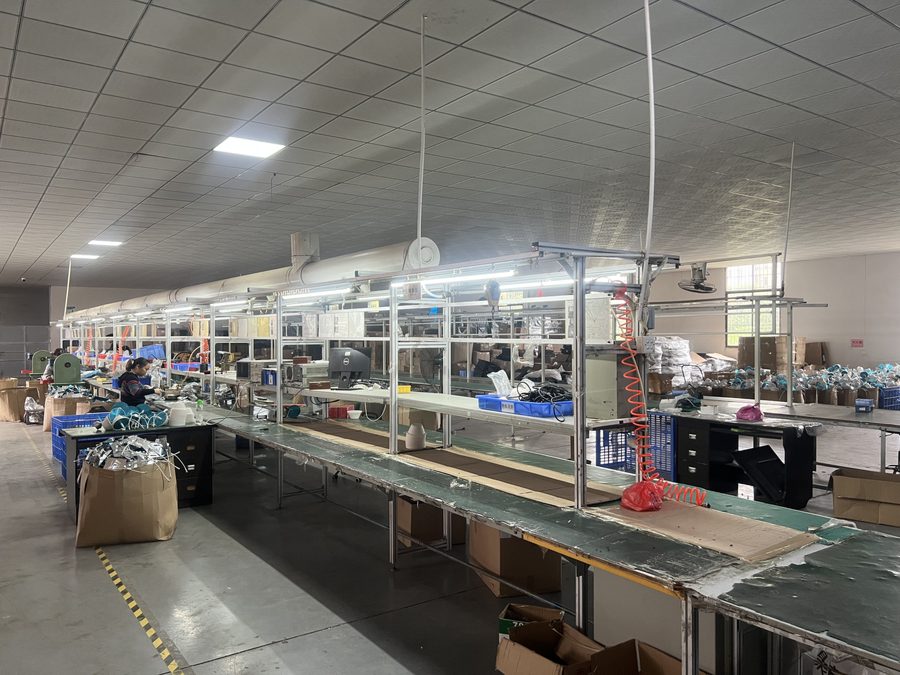
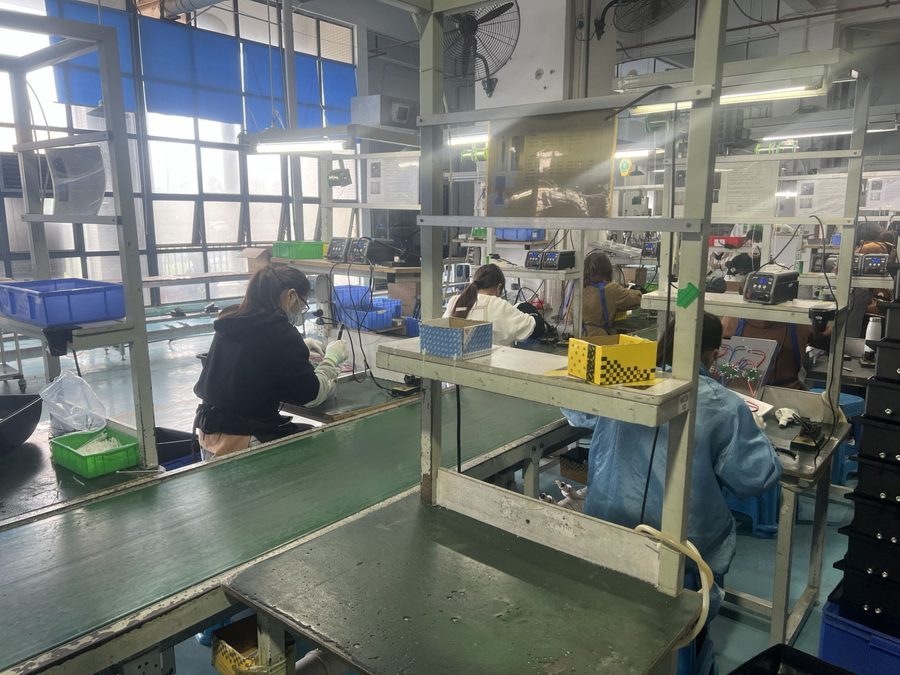
Behind these products is a complete in-house manufacturing chain — CNC machining, die-casting, plastic injection molding, and laser processing — so prototypes move from drawing to sample quickly, without subcontracting, and scale smoothly to volume production.
RF element antennas are deployed by telecom operators, system integrators, and device manufacturers worldwide, across cellular networks, wireless bridges, DAS, and IoT applications.
We see ourselves not just as a manufacturer, but as a long-term engineering partner — from your first prototype to volume production.
The RF element Brand
The name RF element reflects our core focus: mastering the fundamental elements of radio frequency to build superior antennas. Since our founding in 2017, we have dedicated ourselves to advancing the art and science of antenna design, combining deep engineering expertise with a passion for wireless connectivity.
As a premier 5G antenna manufacturer, RF element stands for precision, reliability, and innovation. Our brand is built on the promise of delivering low‑PIM, high‑gain, and durable antennas that empower networks to reach their full potential. Every product bearing our name is rigorously tested in our state‑of‑the‑art anechoic chambers, ensuring it meets the highest industry standards.
Choosing RF element means partnering with a team that views every challenge as an opportunity to innovate. We are not just a supplier; we are your trusted ally in navigating the complexities of 5G, IoT, and beyond.
RF element Around the World

Factory Display
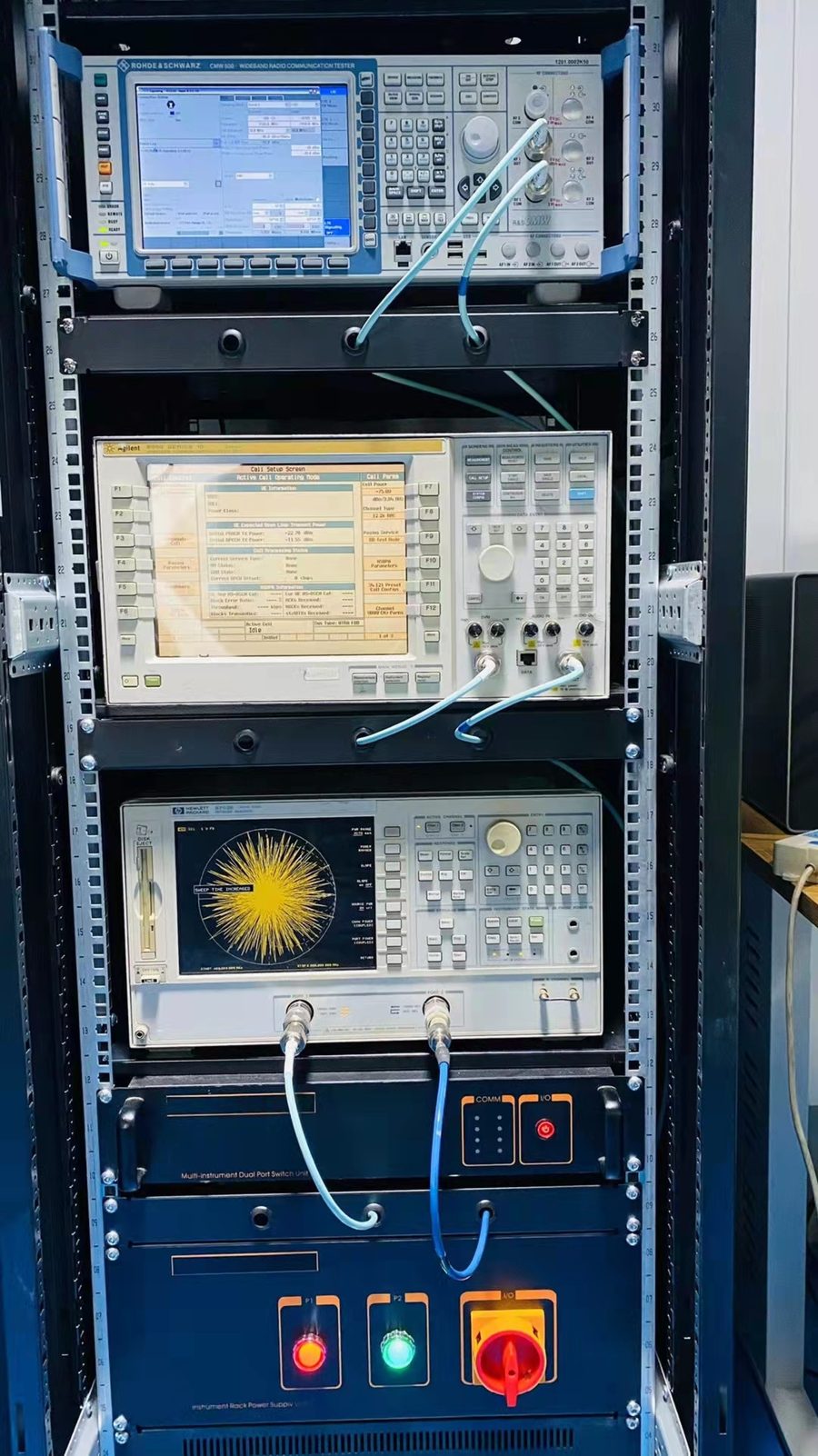
We have recently enhanced our antenna chamber with the latest testing system. RF element operates four professional production lines, showcasing strong capabilities in manufacturing 5G antennas, 4G LTE antennas, WIFI antennas, RFID antennas, VHF UHF antennas, and other LoRA antennas.
Furthermore, we are always prepared to offer our customers efficient and reliable services, including OEM/ODM customization, rapid toolmaking, plastic injection molding, CNC machining, and vacuum casting. Our commitment remains steadfast, ensuring our clients receive the highest quality products and services at any time.


Custom Antenna Manufacturer — Design to Production
Most custom antenna projects are split across three suppliers: one house does the RF design, a second builds the tooling, a third runs the chamber test. Every handover costs time, and the specification slowly changes shape in translation.
RF element keeps the whole chain inside one factory: RF design and simulation, mechanical and radome design, rapid tooling, CNC machining, die casting and injection molding, assembly, and radiation-pattern, gain and VSWR measurement in our own microwave anechoic chamber, with low-PIM builds tested to −150 dBc at 2 × 20 W. One team stays accountable from the first drawing to the last production batch. Test data travels with the sample, and a design change made in simulation can go straight to machined metal without a purchase order leaving the building.
Custom work here comes in three depths: retuning an existing model, re-engineering its mechanics, or designing a completely new antenna from a written specification. The first question to settle is which of the three your project actually needs.
Retune a standard platform
Shift the center frequency, widen or narrow the band, adjust gain, change the connector or the cable, mold a different color. Existing tooling is reused, so this is the fastest route and the one that keeps the price close to a catalog part.
Re-engineer the mechanics
A new housing, radome, bracket, port count or port angle. The enclosure is part of the antenna, so the pattern and the VSWR are simulated again rather than assumed to carry over from the old shell.
Design from the specification
You give band, bandwidth, gain, pattern, polarization, power and environment. We start from the radiating element and build outward: drawings, prototype, chamber measurement, then a sample for approval before any tooling is opened.
How a custom project runs
- Requirement. Send the band, the gain you need and the environment, or send a competitor part with the numbers you want to match. Feasibility is checked before a quotation is written, so a specification that cannot work is said out loud rather than discovered at the sample stage.
- Proposal. The gain, beamwidth and VSWR we expect from the proposed geometry, plus what the volume does to the tooling decision.
- Drawing and prototype. 2D and 3D drawings, with the prototype built in-house on our own CNC, die casting and injection molding lines. Nothing is subcontracted, which is why a drawing can turn into a sample without waiting in a queue outside the factory.
- Measurement. Radiation pattern, gain and VSWR in our microwave anechoic chamber; for low-PIM parts, third-order intermodulation at −150 dBc at 2 × 20 W. The test data travels with the sample.
- Approval, tooling, production. The approved sample becomes the reference, and the same test routine runs on the production batches.
What to send with the enquiry
Nine lines are usually enough to quote without a second round of email:
- Band and bandwidth in MHz, or the system the antenna has to work with
- Gain target in dBi, and the pattern: omni, sector, panel or Yagi
- Polarization, and the number of ports
- Power per port in watts
- Connector type, and cable length if it is a cabled assembly
- Housing size limit, material and color, plus a radome if it stays outdoors
- Mounting: pole diameter, wall, ceiling or magnetic base
- Environment: IP rating, wind load, operating temperature
- Annual volume, which decides whether tooling is worth opening
Frequency coverage runs from UHF to 13 GHz, and the chamber that tests a catalog antenna is the same one that tests a custom build. If the requirement is still a rough idea rather than a specification, send it as it stands. An early feasibility answer costs far less than a wrong tool.
Send a custom requirement · Standard product range · Antenna selector · Industry applications
