

5G Antenna
Welcome to the RF element 5G antenna product center. As a professional 5G antenna manufacturer, we offer a full range of high-performance 5G antennas covering 617–4200MHz, including 5G MIMO antennas, 5G omni antennas, 5G panel antennas, 5G ceiling antennas and 5G LPDA antennas for base stations, small cells and distributed antenna systems (DAS). Manufactured in our Zhaoqing, Guangdong factory since 2017, every model supports custom frequency bands and connectors quoted from drawings, and samples ship in 3–5 days. For macro and sector sites, the base station and sector antenna family covers 820-3600 MHz in 4 to 12 ports with 65, 90 and 120 degree patterns.
Our 5G antenna portfolio includes:
- 5G MIMO Antennas: Available in 4x4 and 2x2 configurations with high gain, ideal for 5G base stations and hotspot coverage.
- 5G Omni Antennas: 360° coverage for outdoor wide-area and indoor distributed antenna systems (DAS).
- 5G Panel Antennas: Directional high-gain design for point-to-point (PTP) links and sector coverage applications.
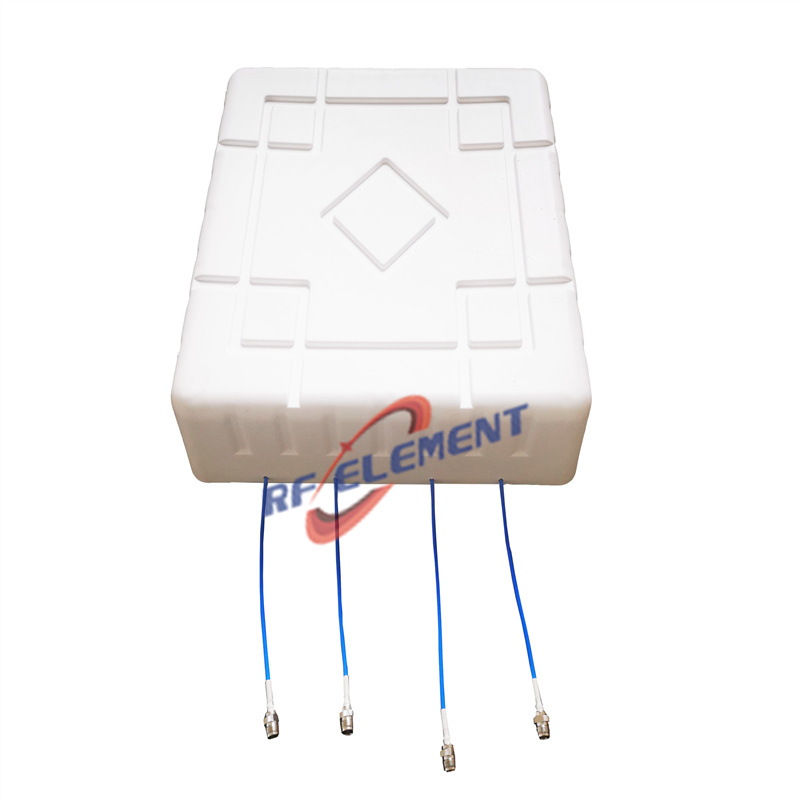
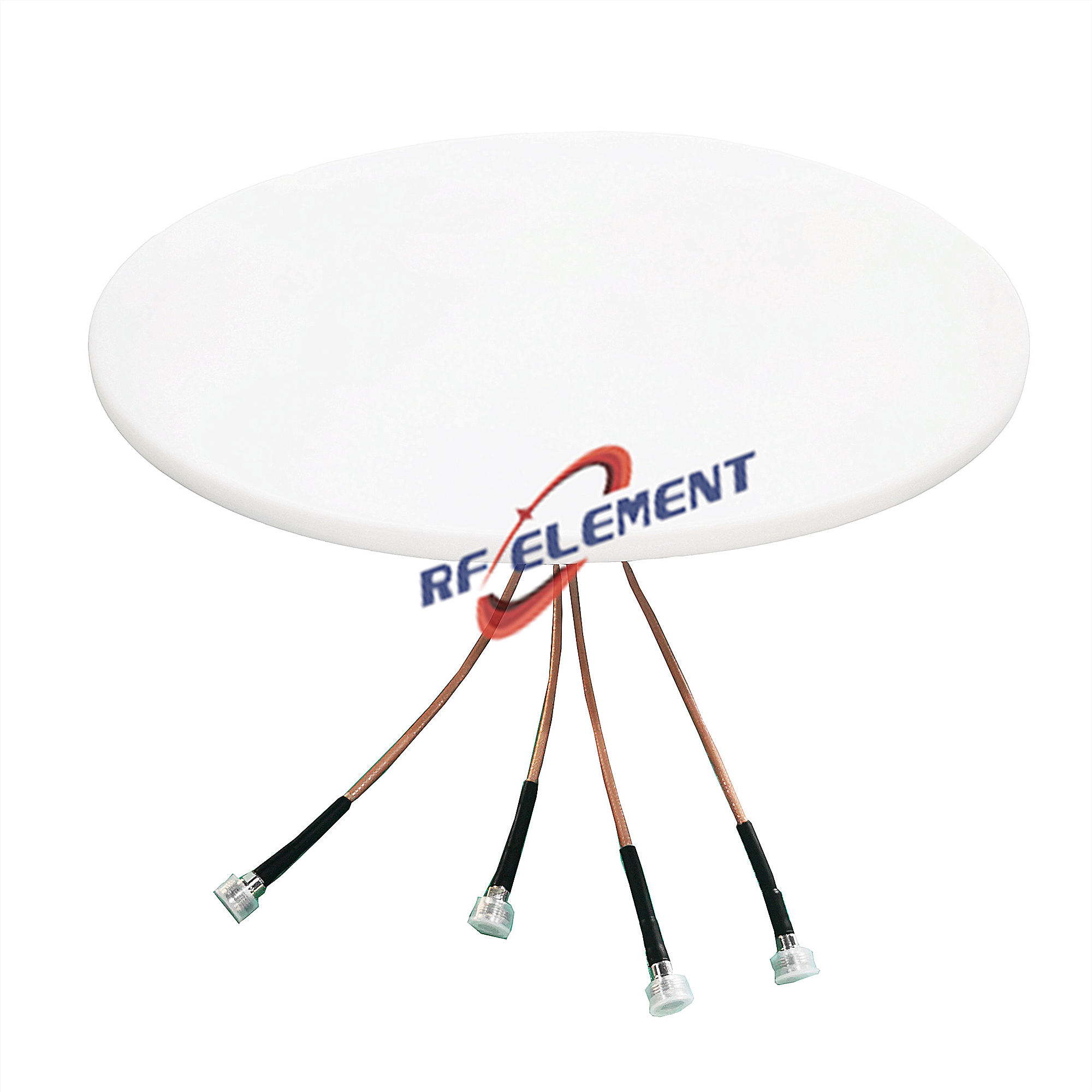
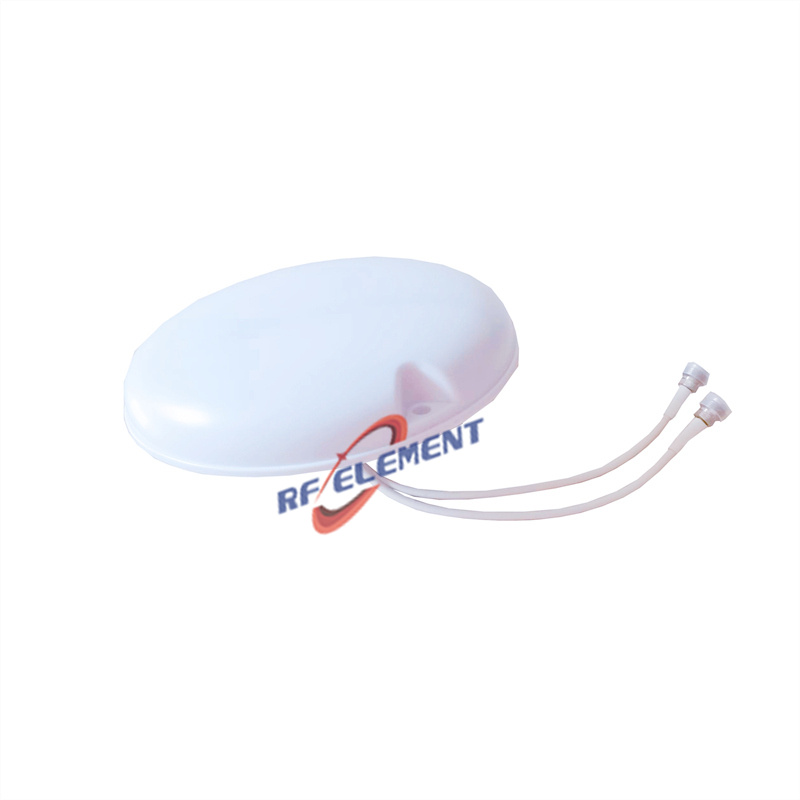
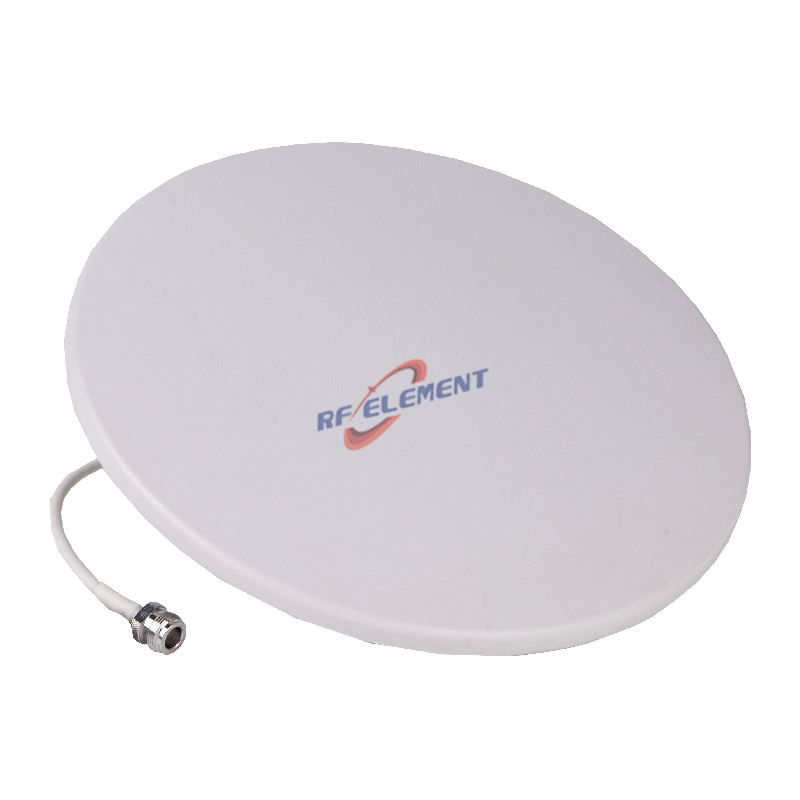
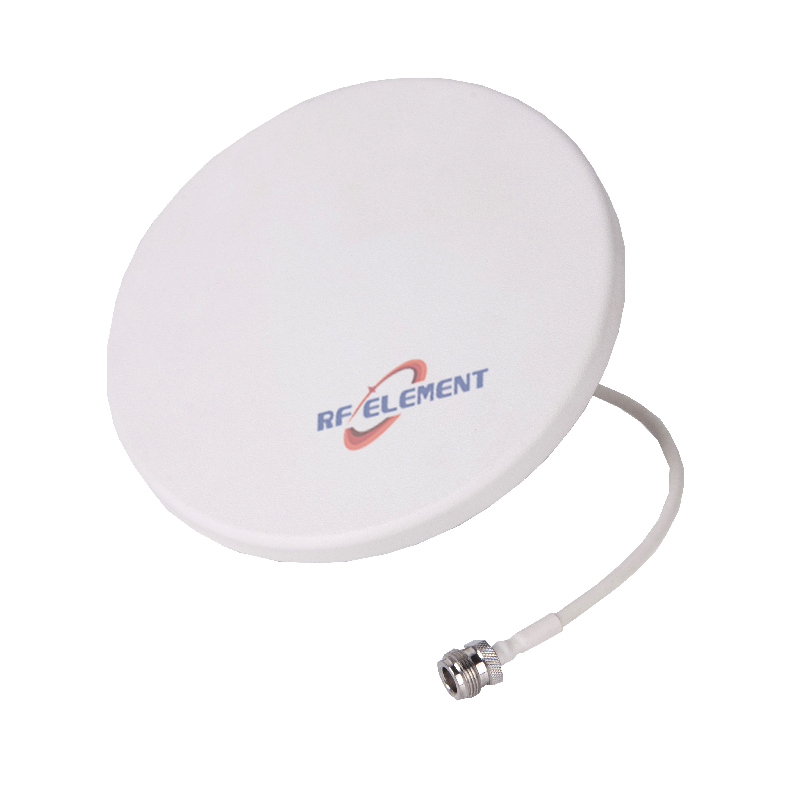
- 5G Ceiling Antennas: Ultra-low profile, discreet appearance, quick-mount design for in-building deep coverage and DAS applications.
Every 5G antenna is validated through comprehensive anechoic chamber characterization and stringent PIM testing to ensure industry-leading performance. From standard catalog items to fully customized 5G antenna design, our experienced engineering team delivers tailored technical support. Get your customized quote today!

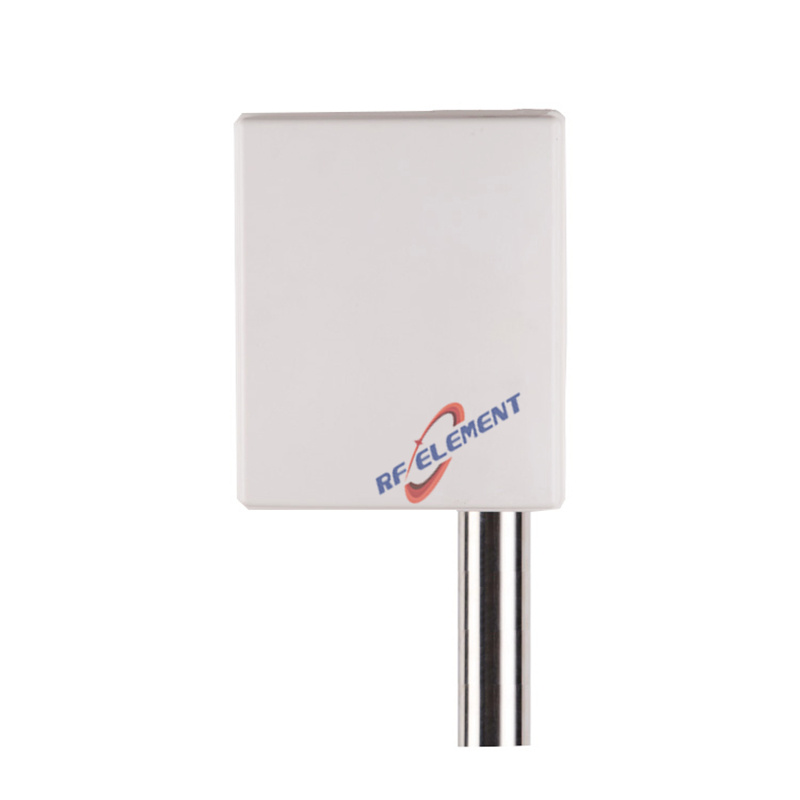
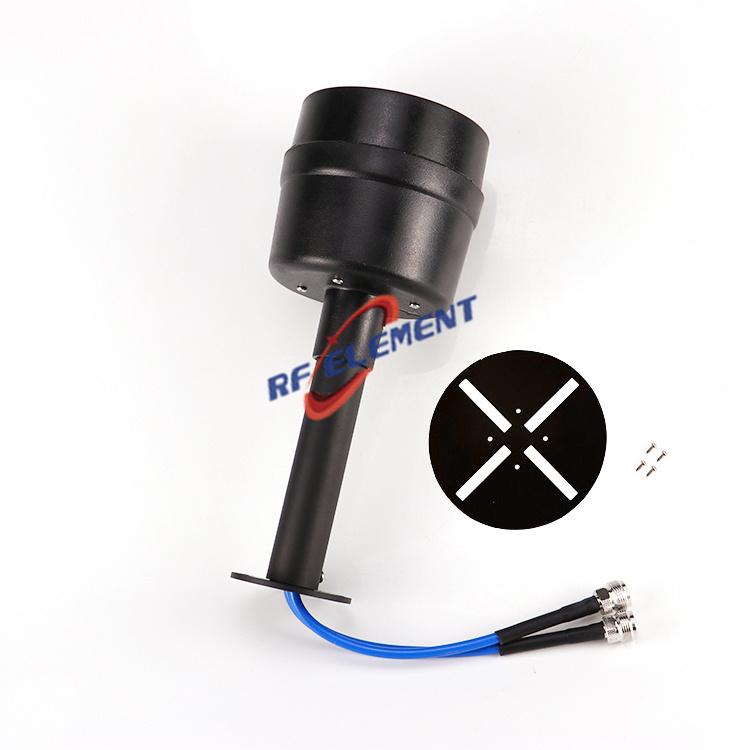


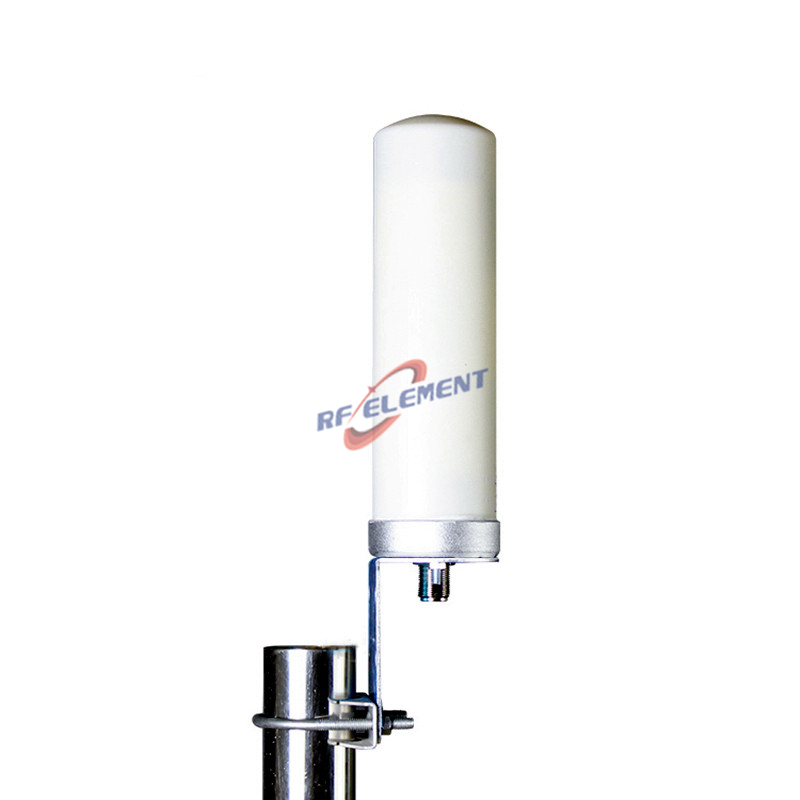

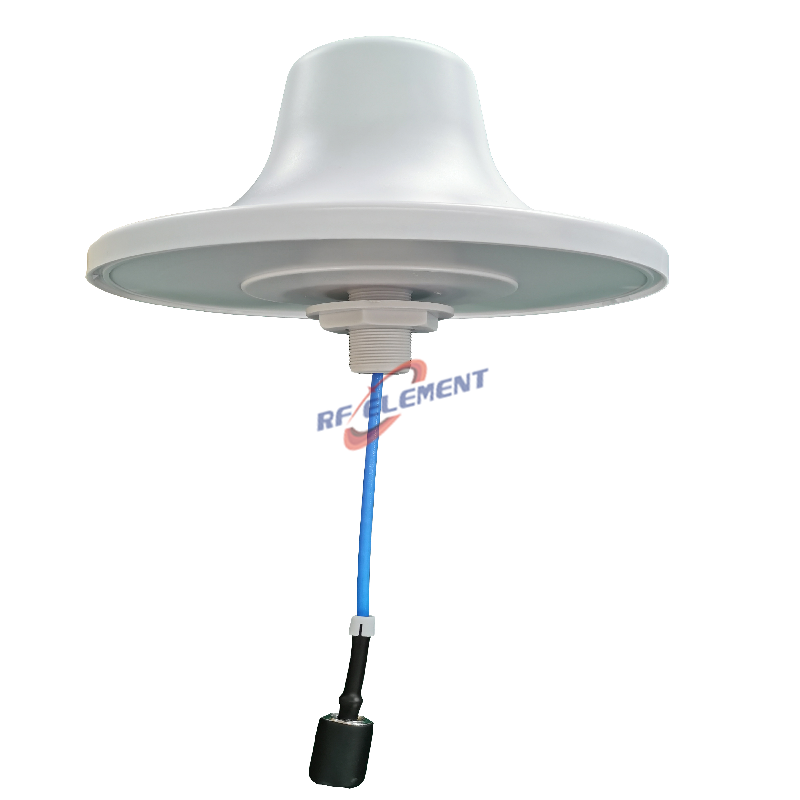




How to Choose a 5G Antenna: Band, Deployment, Then MIMO
The 19 models below differ in three things only: the band they cover, the pattern they cut, and how many radio chains they feed. Decide in that order and the shortlist usually collapses to two or three parts.
Step 1Start from the band you must carry
| Band you need | What it carries | Constraint it sets | Typical choice |
|---|---|---|---|
| 617-4200 MHz | 5G NR n41, n77 (3300-4200MHz) and n78, plus LTE 600/700/800/900/1800/2100/2600 | One part covers every sub-6 band, so gain is averaged across the whole span rather than peaked at 3.5 GHz | Indoor 4x4 ceiling omni or 4x4 wall panel; outdoor 2x2 panel |
| 698-4200 MHz | Same coverage as above with a 698MHz lower edge | Carries legacy 700MHz LTE without a second antenna on site | Outdoor panel, outdoor omni, LPDA |
| 698-3800 MHz | 4G and 5G NR on a shared site up to 3.8GHz | Stops below the n77 upper edge, so gain is higher for the same radome size | Ceiling omni 2-5dBi, wall panel |
| 3300-3800 MHz (n78) | Dedicated 3.5GHz 5G | Narrowest band in the range, so highest gain per size: 12dBi panel, 11dBi omni, 23dBi feedhorn | n78 MIMO panel, fiberglass omni, dish feedhorn |
| 1700-4200 MHz | n78 and mid-band LTE fed into an existing dish | Feed only - the reflector supplies the gain and the 25-28dBi figure assumes a matched dish | Ultra wide band MIMO feedhorn |
| 800-3800 MHz | Macro site where visible hardware is restricted by planning | Gain is bought with a narrow azimuth pattern, 22-35 degrees, so aiming accuracy matters | Dual polarity spotlight (camouflaged) |
n79 (4400-5000MHz) sits above every model on this page. If your licence includes n79, tell us the exact sub-band: it needs a separate 4.4-5.0GHz design rather than a wider version of a 3.5GHz panel.
Step 2Match the pattern to where it is mounted
| Mounting position | Pattern | Why this pattern | What to watch |
|---|---|---|---|
| Ceiling, inside the building | Omni, 360 degrees azimuth, 40-90 degrees vertical | One part serves a floor or a hall with no aiming work | 2-5dBi is normal: a ceiling omni is a coverage part, not a reach part |
| Wall, inside the building | Directional panel, 60-80 degrees horizontal by 30-50 degrees vertical | Puts the energy into a hall or a row of desks instead of the whole floor | The mounting height decides where the beam actually lands |
| Pole, outdoor sector | Directional panel, 50-90 degrees azimuth | Holds a sector with controlled spill beyond the cell edge | Beamwidth choice changes gain: see 65 vs 90 degree sector beamwidth |
| Pole, outdoor 360 degrees | Omni, 8-65 degrees vertical | One mast serves all directions for CPE, small-cell offload or a rural site | A narrow vertical beam puts less power into the sky and more into the ground |
| Existing dish or grid | Feedhorn, 6-10 degrees | Backhaul: the reflector does the gain, the feed sets the match | Feed has to match the dish f/D ratio - confirm the dish before ordering |
| Camouflaged macro site | Spotlight, 22-35 degrees azimuth | Site aesthetics are the constraint, RF is secondary | A narrow pattern leaves no margin for aiming error |
Step 3Set the MIMO order last
MIMO order is a radio decision, not an antenna decision. A 4x4 antenna on a 2T2R radio behaves as 2x2 and two ports stay idle, so the extra cost buys nothing. Take 4x4 when the radio actually drives four chains - indoor 4x4 small cells, 5G CPE with four receive branches, DAS head-ends with four ports. Take 2x2 for most outdoor sectors, vehicle gateways and single-stream links. The full trade-off is in the MIMO section further down this page.
Six numbers to confirm before you order
- Band edges, not just centre frequency. A 617-4200MHz antenna has to hold its match at 617 and at 4200, so ask for the swept VSWR curve rather than a single mid-band figure.
- Gain quoted with its beamwidth. A dBi number without the horizontal and vertical angles it is delivered in cannot be compared across models or across bands.
- PIM if the site is shared. Co-sited LTE and 5G ports need low PIM joints and connectors, typically specified to -150dBc at 2x20W.
- Port count and connector type. 4x4 means four ports; confirm N or 4.3-10 and whether a jumper assembly is included.
- Mounting hardware. Pole diameter, wall bracket or ceiling drop - the accessory list decides installation time, not the antenna.
- Radome and colour. Outdoor white or grey, indoor ABS; colour matters when the site is visible and planning is involved.
Send the band plan, the mounting position and the radio port count through contact us and we will return a shortlist with the swept data for each candidate.
All 19 5G Antenna Models Compared
Every 5G model on one page — from 617-4200MHz wideband panels to dedicated n78 3300-3800MHz and 4x4 MIMO in-building types. Compare gain, beamwidth and size before you shortlist.
| Model | Type | Frequency | Gain (dBi) | Beamwidth (H × V) | Size (mm) | Best for |
|---|---|---|---|---|---|---|
| Indoor 4X4 MIMO Ceiling Mounting Omni Antenna | Indoor Ceiling, omni, MIMO | 698-4200MHz | 1.5 - 5.5 | 360° × 40 - 90° | 385 × 385 × 13 | In-building DAS, small cell and repeater coverage |
| Indoor Full Frequency Bands Ceiling Mounting Omni Antenna | Indoor Ceiling, omni | 698-6000MHz | 1.5 - 5.5 | 360° × 40 - 90° | 185 × 185 × 120 | In-building DAS, small cell and repeater coverage |
| Indoor Slim Full Frequency Bands Ceiling Mounting Omni Antenna | Indoor Slim ceiling, omni | 380-3800MHz | 1.5 - 5 | 360° | 280 × 280 × 18 | In-building DAS, small cell and repeater coverage |
| Indoor Ultra Wide Band MIMO Ceiling Mounting Omni Antenna | Indoor Ceiling, omni, MIMO | 698-4200MHz | 1.5 - 5.5 | 360° × 40 - 90° | 280 × 280 × 15 | In-building DAS, small cell and repeater coverage |
| Indoor Ultra Wide Band SISO Ceiling Mounting Omni Antenna | Indoor Ceiling, omni | 698-4200MHz | 1.5 - 5.5 | 360° × 40 - 90° | 180 × 180 × 12 | In-building DAS, small cell and repeater coverage |
| Indoor Wide Band MIMO Ceiling Mounting Omni Antenna | Indoor Ceiling, omni, MIMO | 698-3800MHz | 2 - 5 | 360° × 50 - 85° | 215 × 215 × 41 | In-building DAS, small cell and repeater coverage |
| Outdoor Ultra Wide Band Omni Antenna | Outdoor Omni, omni | 698-4200MHz | 3 - 5.5 | 360° × 45 - 65° | Φ60 × 250 | Wide-area 360° outdoor coverage |
| Outdoor Ultra Wide Band MIMO Directional Panel Antenna | Outdoor Panel, directional, MIMO | 698-4200MHz | 5 - 8 | 60 - 80° × 35 - 50° | 310 × 230 × 73 | Focused area coverage or point-to-point |
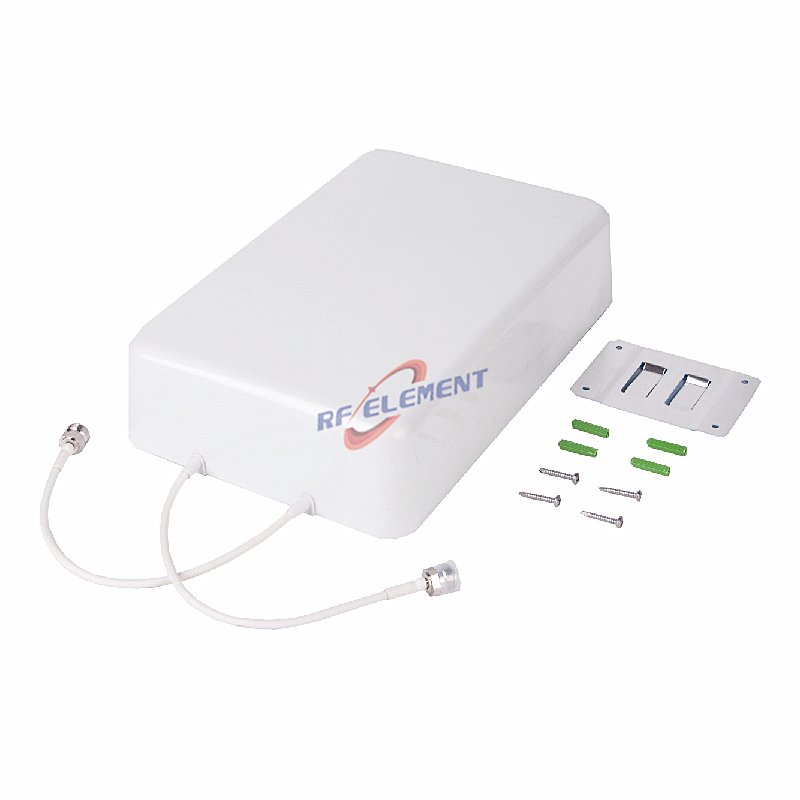
| Indoor Ultra Wide Band MIMO Directional Panel Antenna | Indoor Panel, directional, MIMO | 698-4200MHz | 5 - 8 | 60 - 80° × 30 - 50° | 310 × 230 × 73 | Focused area coverage or point-to-point |
| Outdoor Ultra Wide Band Pole Mounting Directional Panel Antenna | Outdoor Panel, directional | 698-4200MHz | 5 - 7 | 50 - 90° × 40 - 90° | 165 × 155 × 50 | Focused area coverage or point-to-point |
| Indoor Ultra Wide Band Wall Mounting Directional Panel Antenna | Indoor Panel, directional | 698-4200MHz | 5 - 7 | 50 - 90° × 40 - 90° | 165 × 155 × 50 | Focused area coverage or point-to-point |
| Outdoor Ultra Wide Band Log Periodic Directional Panel Antenna | Outdoor LPDA, directional | 698-4200MHz | 6 - 10.5 | 50 - 80° × 40 - 60° | 285 × 210 × 65 | Wideband sweep, monitoring and multi-band sites |
| Indoor 4X4 MIMO Wall Mounting Panel Antenna | Indoor Panel, directional, MIMO | 617-4200MHz | 7.5 - 10.5 | 60 - 80° × 35 - 45° | 450 × 450 × 110 | Focused area coverage or point-to-point |
| Dual Polarity Beautification Spotlight Antenna | Camouflaged spotlight, directional, MIMO | 800-3800MHz | 9 - 13 | 22 - 35° × 40 - 65° | 430 × 420 × 135 | Camouflaged macro site, low visual impact |
| Outdoor Ultra Wide Band Log Periodic Directional Panel Antenna | Outdoor LPDA, directional | 698-4200MHz | 9 - 12 | 50 - 70° × 40 - 55° | 442 × 210 × 65 | Wideband sweep, monitoring and multi-band sites |
| Outdoor Fiberglass Omni Antenna | Outdoor Omni, omni | 3400-3800MHz | 11 | 360° × 8° | Φ42 × 630 | Wide-area 360° outdoor coverage |
| Outdoor MIMO Directional Panel Antenna | Outdoor Panel, directional, MIMO | 3300-3800MHz | 12 | 65° × 28° | 239 × 190 × 35 | Focused area coverage or point-to-point |
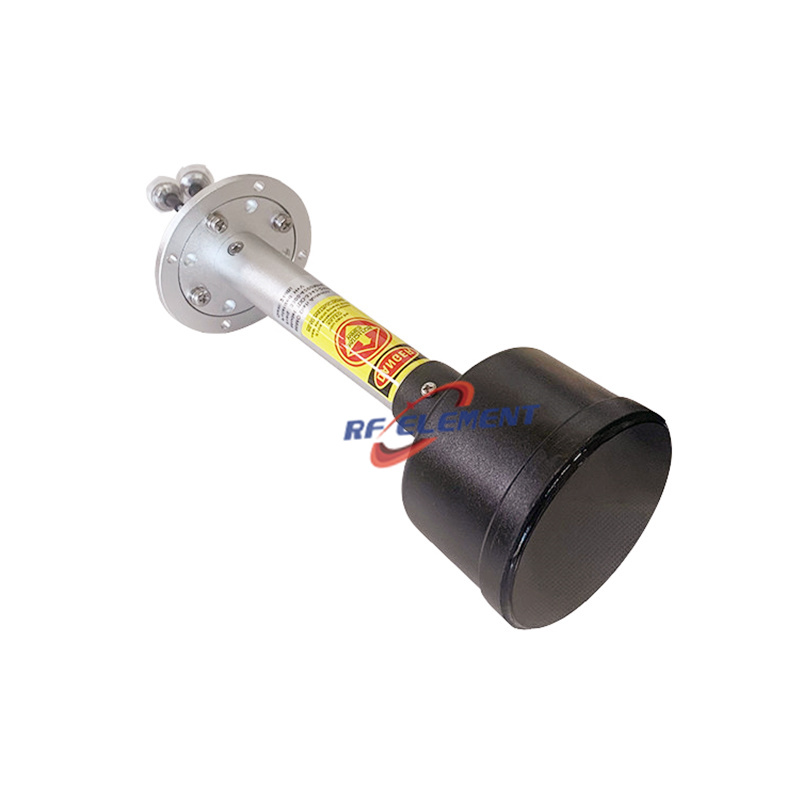
| Outdoor MIMO Feedhorn | Feedhorn for dish / grid | 3300-3800MHz | 23 | 8° × 8° | — | High-gain dish / grid feed for backhaul |
| Ultra Wide Band MIMO Feedhorn | Feedhorn for dish / grid | 1700-4200MHz | 25 - 28 | 6 - 8° × 8 - 10° | — | High-gain dish / grid feed for backhaul |
Matching the antenna to the band is the first decision on a 5G project. Send the band plan and the mounting location through contact us and our engineers will confirm the closest model.
5G MIMO Antenna Configurations: 2x2, 4x4 and When Each One Pays Off
A 5G MIMO antenna is specified by three numbers that pull against each other: the number of spatial layers, the gain, and the beamwidth that gain is delivered in. Get the order of those decisions right and the site works first time.
2x2 or 4x4: what actually changes
A 2x2 MIMO antenna carries two transmit and two receive chains. On an LTE or 5G NR carrier of the same width it roughly doubles peak throughput against a single stream, which is what most small cells, CPE and vehicle gateways are provisioned for. A 4x4 MIMO antenna adds two more chains. Throughput climbs again, but only if the radio actually drives four ports and the antenna holds phase balance and port isolation across the whole band. Fitting a 4x4 antenna to a 2-port radio adds cable, connectors and insertion loss and returns nothing.
Configuration by deployment
| Configuration | Ports | Frequency | Gain (dBi) | Where it fits | Model |
|---|---|---|---|---|---|
| 4x4 indoor panel | 4 | 617-4200MHz | 7.5 - 10.5 | Small cell and DAS head-end where four layers are actually driven | 4x4 MIMO panel antenna |
| 4x4 indoor ceiling omni | 4 | 698-4200MHz | 1.5 - 5.5 | Open-plan in-building coverage, ceiling void mounting | 4x4 MIMO ceiling antenna |
| 2x2 outdoor panel | 2 | 698-4200MHz | 5 - 8 | Wideband outdoor coverage where one radio drives two layers | 2x2 MIMO outdoor panel |
| 2x2 n78 panel | 2 | 3300-3800MHz | 12 | Dedicated 3.5GHz sites with a narrow horizontal beam | n78 MIMO panel antenna |
| 2x2 MIMO feedhorn | 2 | 3300-3800MHz | 23 | Dish and grid feed for point-to-point backhaul | n78 MIMO feedhorn |
The MIMO decision is usually made backwards: a project buys a 4x4 antenna first and discovers later that the radio is 2-port, or buys a high-gain panel and then finds the 60 degree beam does not cover the floor plan. Start from the radio port count, then the coverage shape, then the gain. If you would rather work it the other way round, the antenna selection tool takes four inputs and returns the model that fits.
CBRS and Private 5G Antennas on 3.3-3.8 GHz
CBRS is a US band, but the antenna problem it creates between 3.4 and 3.8GHz is the one every private network meets. Three models on this page already sit inside that window.
CBRS occupies 3550-3700MHz: 150MHz of shared spectrum run in three tiers, incumbents, Priority Access Licenses and General Authorized Access, with a SAS coordinating the lower two. In 3GPP terms the band is n48, and it falls inside n78 (3300-3800MHz). A CBRS antenna does not need a special design, it needs band edges outside 3550-3700MHz with margin, so gain holds at both ends of the band and the pattern does not drift with frequency.
Private LTE and private 5G use the same antenna
The difference between a private LTE network and a private 5G network sits in the core and the carrier width, not in the radiating element. A private LTE network typically runs 2x2 MIMO on 10 or 20MHz. A private 5G deployment on the same site may run 40 or 100MHz of TDD and 4x4 on the downlink, with the same mast hardware. Most private LTE 5G migrations leave the antennas in place and change only the radio and the core, which is why a part bought for private LTE CBRS today is still the right part when the site upgrades.
CBRS antenna types and where each one fits
| Type | Model | Gain (dBi) | Pattern H / V | Where it fits |
|---|---|---|---|---|
| CBRS omni antenna | n78 fiberglass omni, 3400-3800MHz | 11 | 360 / 8 | Single mast for a yard, a small campus or one radio that has to cover every direction. 630mm fibreglass, pole mount. |
| Sector panel | n78 2x2 MIMO panel, 3300-3800MHz | 12 | 65 / 28 | Warehouse aisle ends, a building face, a port quay. Two N-Type ports, 239x190x35mm, 1.0kg. |
| Backhaul feedhorn | n78 MIMO feedhorn, 3300-3800MHz | 23 | 8 / 8 | Point to point link between small cells, or between a mast and a distant building. Fed into a 60cm dish. |
What decides a private 5G deployment at 3.5GHz
Free space loss at 3.6GHz is about 6dB higher than at 1.8GHz over the same distance, so cell radius shrinks and the answer is more sectors rather than a bigger antenna. Feeder loss roughly doubles against 1.8GHz too, which is why a radio mounted at the antenna beats 10m of coax feeding a high gain part. A 65 degree panel at 12dBi also wants 3 to 6 degrees of mechanical downtilt to hold the pattern inside the site boundary, more so under GAA where the same channels are shared with neighbours.
Private 5G applications that fit this pattern are short range and fixed: AGV routing inside a warehouse, remote control of a port crane, video backhaul from a substation, handheld voice across a campus. All of them sit within 300 to 500m of a mast, the range where a 12dBi sector with 2x2 MIMO pays for itself. Where the site is one open yard or a single radio private 5G network, a CBRS omni antenna covering 360 degrees removes the aiming work and the alignment error that comes with it. For a grid of small cells across a city block, the small cell antenna page covers mounting and power detail.
If you are comparing private 5G solutions for a tender, the shortlist usually collapses once three things are fixed: the band edges your licence allows, the number of radio ports, and the mounting height. Send us those three and we will return two or three models with pattern plots rather than a catalogue page.
On compliance: the antenna is a passive part, so FCC Part 96 certification and SAS registration sit with the radio and the operator, not with us. We do not hold a CBRS certification and do not claim one. What we supply for a filing is the datasheet, the measured pattern and the VSWR sweep of the exact model. If your radio vendor or consultant needs the pattern data in a particular format for the SAS submission or an RF exposure assessment, say which and we will match it.
Related Reading
Technical notes from our engineering team on 5G antenna design, testing and deployment.
- DAS and In-Building Antenna Solutions
Low PIM ceiling and wall antennas rated 150 dBc at 2x20 W, and where the antenna sits in a passive, active or neutral host DAS.
- 5G Antenna Manufacturing Capability
What we build in-house: 617-4200 MHz MIMO panels, -153 dBc low PIM, 100% chamber-tested before shipment.
- 5G MIMO Panel Antenna Design Notes
Beamwidth, port isolation and how we trade compact size against gain in next-gen panel antennas.
- 5G Millimeter Wave Antenna Outlook
Where mmWave fits alongside Sub-6GHz, and what it demands from antenna design.
- Counter-Drone Omnidirectional Antennas
High-power omni designs for detect-and-jam C-UAS systems that have to cover 360 degrees.
- 5G Base Station Sector Antenna: High-Gain Solutions for Optimized Network Coverage
How 60/90/120-degree sectorization delivers high-gain 5G coverage with controlled interference.
- 698-960MHz vs 3300-3800MHz 5G Antennas: Choosing the Right Band for Rural vs Urban
Low band or mid band first? How the deployment order decides which 5G antenna each site needs.
- What is a Sectorised Antenna
Beamwidth, front-to-back ratio and gain read off a sector datasheet, plus the three spellings used across UK, US and IEC literature.
- Multi-Band Circular Polarized Panel Array: Custom Build Case
A customer requirement turned into a 2x2-group panel array on one reflector, from simulation through sample testing to production.
Industry Applications
A 5G panel behaves differently in a port yard, a tunnel and on a lamp post. These pages cover the deployment constraints behind the specification.
- Port and crane antennas
Crane spreaders and stacked containers reflect energy straight back. Pattern control matters more than raw gain.
- Smart city and small cell antennas
Pole and cabinet siting sets the coverage. The antenna has to fit the furniture, not the other way round.
- Railway and metro antennas
Along a track the handover budget, not the gain figure, decides whether the link holds.
- Mining communication antennas
Tunnels and galleries give no line of sight. Directional panels have to work off reflections.
5G Antenna - Frequently Asked Questions
Questions engineers and buyers ask most often about our 5G NR antenna range.
What frequency bands and MIMO configurations do your 5G antennas cover?
Our 5G antenna range covers 617-4200 MHz, which includes the main 5G NR bands n41, n77 and n78. Band n79 at 4400-5000 MHz sits above this range and is built as a separate design. Antennas are available in SISO, 2x2 MIMO and 4x4 MIMO configurations, in both indoor and outdoor versions. Several models use a wider 698-4200 MHz design so the same antenna can carry 4G LTE and 5G NR traffic.
Which 5G antenna type should I choose - omni, panel, ceiling or feedhorn?
Omnidirectional antennas give 360 degree coverage and are used for wide-area outdoor sites and indoor distributed antenna systems. Directional panel antennas concentrate the signal for point-to-point links and sector coverage. Ceiling antennas are ultra low profile and mount inside the building for in-building coverage. Feedhorns are used to replace the feed of an existing parabolic dish or grid antenna.
What gain can I expect from your 5G antennas?
Indoor panel antennas are typically 8-10 dBi and indoor ceiling omni antennas 3-5 dBi. Outdoor directional panels run from 7 dBi to 12 dBi depending on the model and band. The 3300-3800 MHz feedhorn models reach 23 dBi for long-range n78 links.
Are your 5G antennas tested for PIM and VSWR?
Every 5G design is characterised in our own microwave anechoic chamber for gain, radiation pattern and port-to-port isolation, and low PIM rated models are measured on a 3rd-order intermodulation test bench to -150 dBc at 2x20 W. VSWR is swept across the whole operating band, so the band-edge match is documented rather than only the mid-band value.
Can you customize a 5G antenna for our network band or connector?
Yes. Custom frequency bands, gain, beamwidth, polarization (single, dual-slant or dual-linear), MIMO order, connector type and mounting configuration are all available. A custom variant normally starts from an existing platform, and sample lead time is 3-5 working days.
Which 5G antenna covers both 4G LTE and 5G NR?
Any wideband model rated 698-4200 MHz or 617-4200 MHz carries LTE and 5G NR on the same part, which is what most shared macro and DAS sites need. A dedicated 3300-3800 MHz n78 antenna is the better choice only when the site is 5G-only, because the narrower band buys about 2-3dBi more gain for the same radome size.
Do you offer OEM or ODM 5G antenna development?
Yes. OEM and ODM programmes cover band tuning, gain and beamwidth changes, polarization, port count, connector type, cable assemblies, radome colour and printed branding. Most projects start from an existing platform in the tables above, which keeps tooling to a minimum and sample lead time at 3-5 working days.
Planning a 5G deployment? Send us your band plan and coverage requirement - we reply within 1-2 working hours.