

868MHz Antenna
Welcome to the RF element 868MHz antenna product center. As a professional 868MHz antenna manufacturer, we offer a full range of high-performance 868MHz antennas designed for Low-Power Wide-Area Network (LPWAN) applications. The 868MHz frequency band is the primary ISM band for Europe, widely adopted for LoRaWAN, Sigfox, and other IoT technologies. Unlike the 915MHz band used in North America, the 868MHz band offers excellent propagation characteristics for long-range, low-power communications, making it ideal for smart agriculture, smart metering, environmental monitoring, smart cities, and industrial IoT deployments where devices need to transmit data over several kilometers with minimal power consumption.
Our 868MHz antenna product line includes:
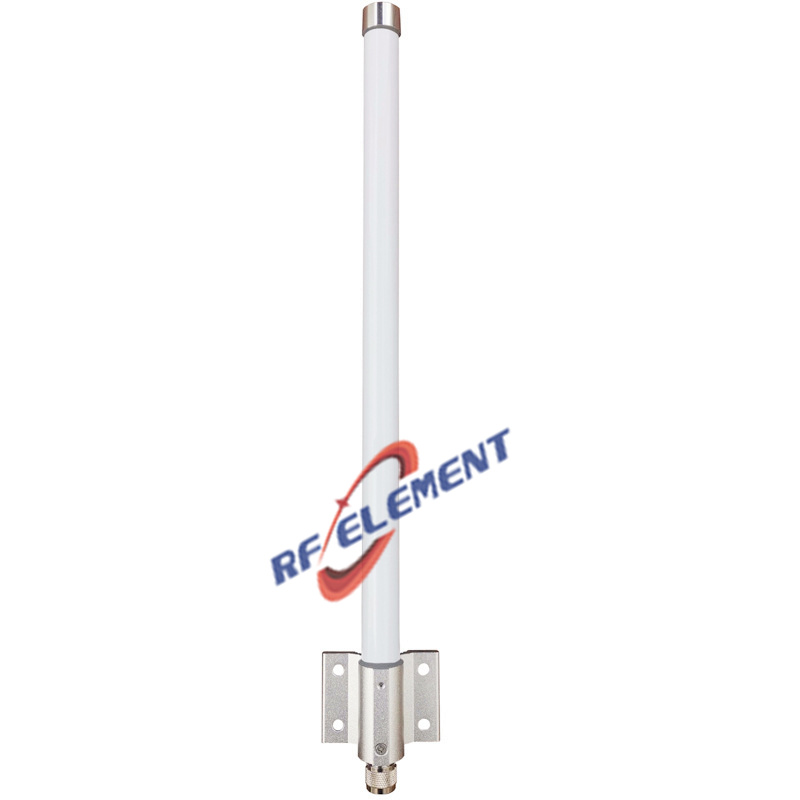
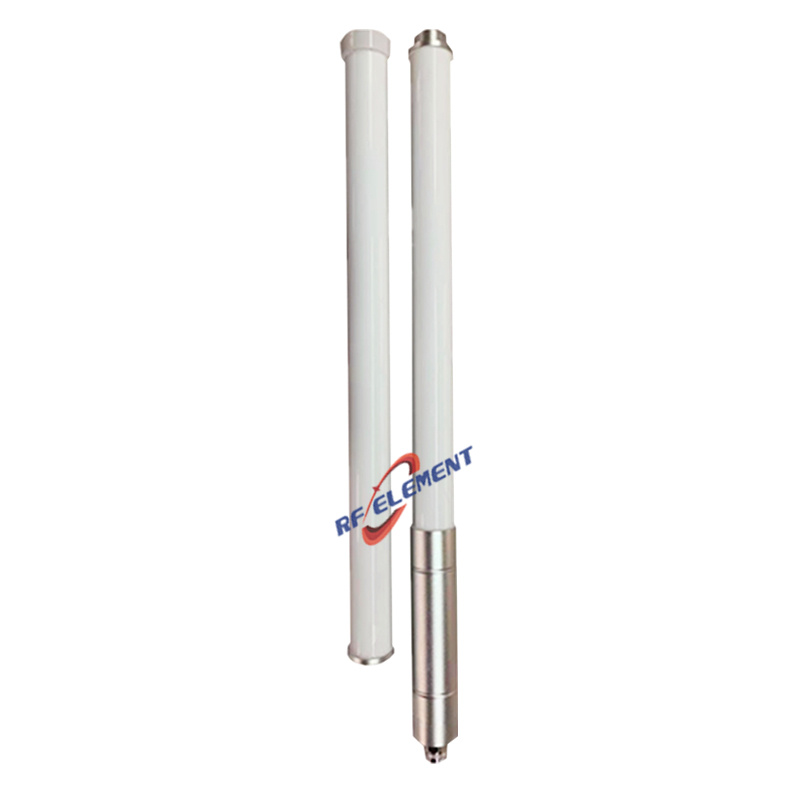
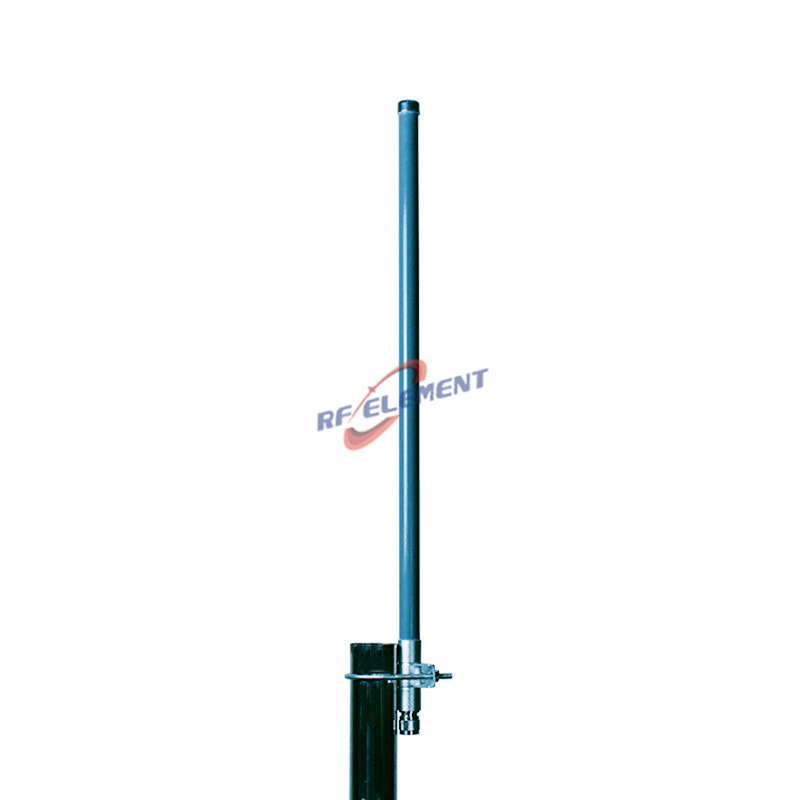
- 868MHz Omni Antennas: 360° coverage for wide-area IoT networks and gateway installations.
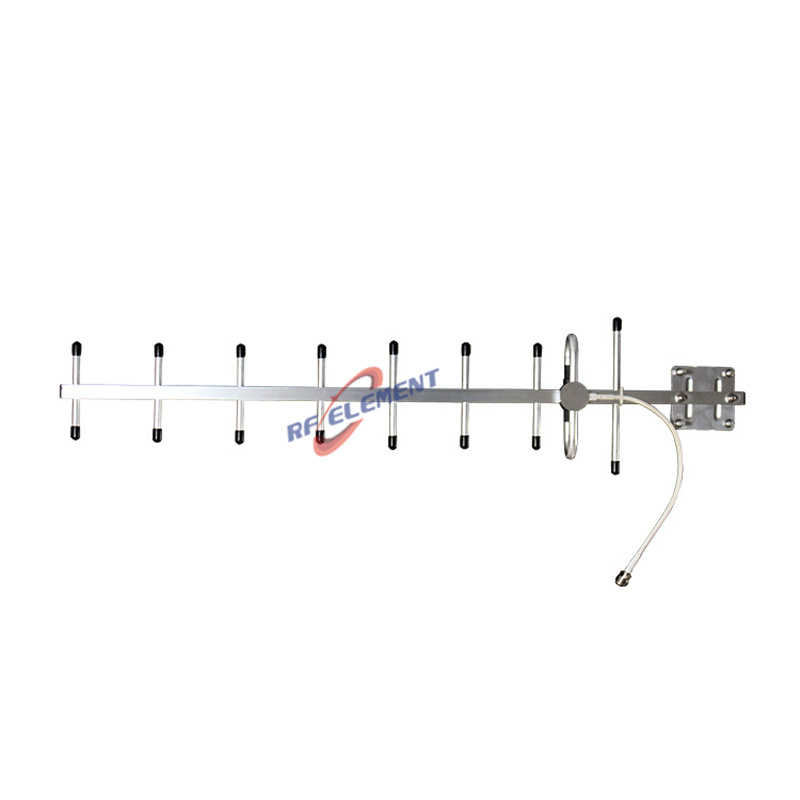
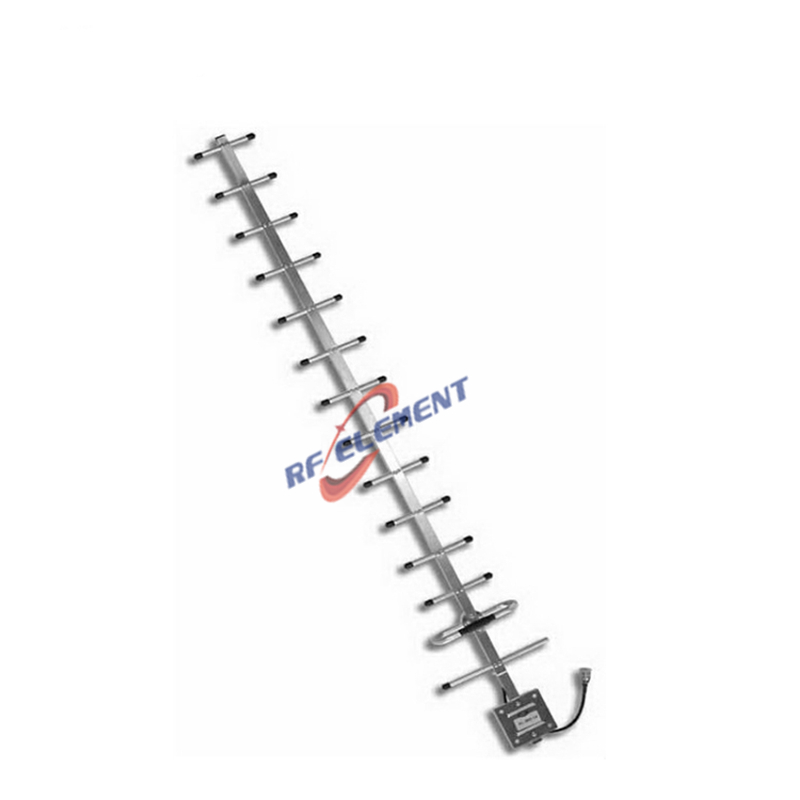
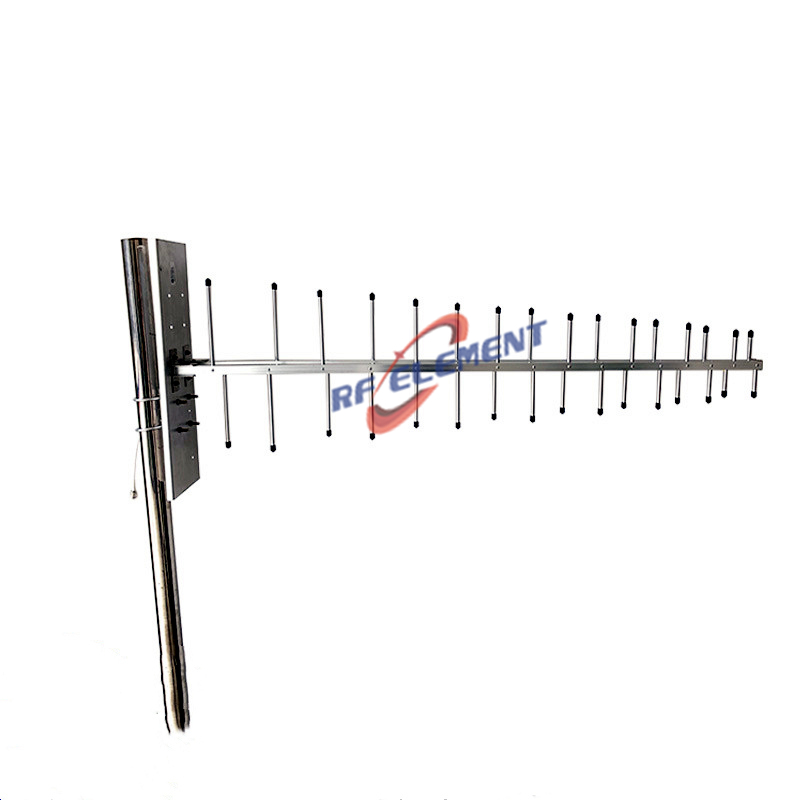
- 868MHz Yagi Antennas: Directional high-gain for long-distance point-to-point links and remote sensor networks.
- 868MHz Panel Antennas: Compact directional solutions for focused coverage in urban or industrial environments.
All 868MHz antennas are rigorously tested to ensure optimal VSWR, gain, and radiation pattern integrity. Whether you need standard products or customized 868MHz antenna solutions for your European IoT project, our engineering team is ready to provide expert support. Contact us for a quote.
Related Reading
Technical notes from our engineering team on 868MHz and LoRa antenna selection.
- LoRa Antenna Selection and Optimization
Frequency matching, gain and mounting rules that decide LoRa link budget in the field.
- How to Choose a LoRa Antenna Manufacturer
The capability questions worth asking before you commit to a LoRa antenna supplier.
868MHz Antenna - Frequently Asked Questions
Questions our engineers are asked most often about the 868MHz LoRa / LPWAN antenna line.
Which frequency range do your 868MHz antennas cover?
The dedicated European models cover 860-870MHz, which contains the 863-870MHz CEPT ISM band used by LoRaWAN (EU868) and Sigfox. Wider models are also offered: a portable 860-930MHz fiberglass omni and 824-960MHz yagi and omni antennas that cover both 868MHz and 915MHz in one antenna.
What is the difference between 868MHz and 915MHz antennas?
868MHz is the primary ISM band in Europe, while 915MHz (902-928MHz) is the primary ISM band in North America. If your network only operates in one region, a dedicated band antenna gives the best match; if you ship one hardware design to both regions, the wide 860-930MHz models cover both.
Which antenna should I use for a LoRaWAN gateway?
For a gateway that must hear devices in all directions, the 8dBi detachable fiberglass omni antenna covering 860-870MHz is the standard choice. For a point-to-point backhaul or a link concentrated in one direction, the 12dBi or 14dBi yagi antennas give noticeably more link budget.
Do you have directional options for 868MHz?
Yes. Directional choices include 824-960MHz yagi antennas at 12dBi and 14dBi (both covering 868MHz), and a wide band UHF log periodic antenna covering 470-860MHz for adjacent UHF work.
What are your MOQ and lead times for 868MHz antennas?
Sample lead time is 3-5 working days and mass production lead time is 15-25 working days. MOQ depends on the model and configuration: send us the frequency band, gain, polarization and connector you need and we will confirm it together with the quotation.
Still have a question? Send us your specification - we reply within 1-2 working hours.