

News and Solutions
As a leading 5G antenna manufacturer, RF element's blog serves as your premier destination for exploring the latest market trends, cutting-edge technologies, and groundbreaking products within the global wireless technology sector. We are dedicated to fostering industry dialogue and sharing insights on the future of wireless communications. Alongside these topics, we also keep you updated on our company's journey, showcasing our innovative antenna designs and wireless solutions tailored for our customers worldwide.
2026
2025
2024
2023
2022
2021
2020
2019
2018
2017

LoRa Antenna Design Guide: Band, Type, Gain and Placement
2026-10-12
How to specify a LoRa antenna: 433, 868 and 915 MHz sub-bands, omni vs panel vs yagi, the mechanical envelope, and gateway versus node placement.
Read More →

Custom Antenna Design Service: What to Send and What Comes Back
2026-10-09
A custom antenna project needs seven inputs before a design can start. What we ask for, what changes, and what a standard antenna does better.
Read More →

Fiberglass Radome for Antennas: Material, Process, Selection
2026-10-09
How an antenna radome is specified: shell materials compared, why over 15 percent glass reinforcement complicates moulding, and what to send for a quote.
Read More →
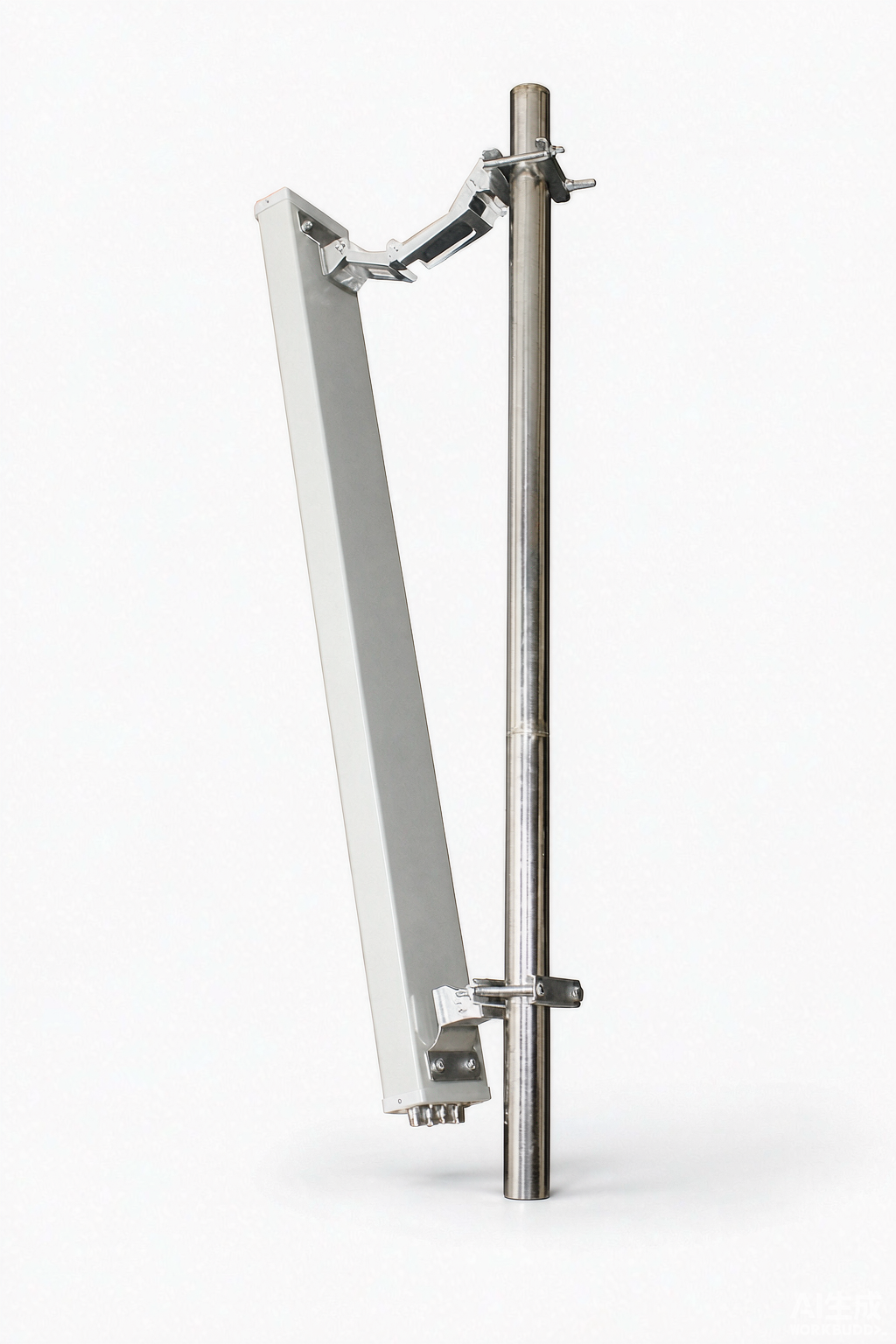
Dual Band Sector Antenna: 2.4/5.8 GHz Selection Guide
2026-10-05
Sizing a dual band sector antenna: 2.4 and 5.8 GHz pattern differences, 65/90/120 degree beams, four-cell 360 deployments, polarisation and port count.
Read More →

698-960MHz vs 3300-3800MHz 5G Antennas: Choosing the Right Band for Rural vs Urban
2026-09-15
A low band 5G antenna working between 698 and 960MHz covers the LTE B28/B20/B8 bands and their 5G NR equivalents, n28 and n20 among them. The n78 band, 3300 to 3800MHz, is where most of the world’s actual 5G traffic lives.
Read More →
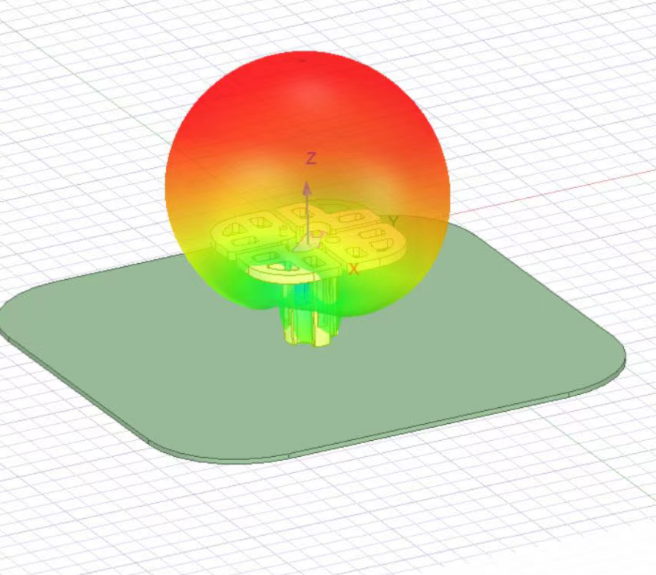
How We Designed Our 3200-3800MHz 5G Antenna
2026-09-13
The 3200-3800MHz range covers n78 and the upper part of n77, where most 5G NR networks in Europe, the Middle East, and Asia are actually built. At 3.5GHz the free-space wavelength is about 86mm, which makes directional behavior achievable with a compact element instead of a large reflector.
Read More →
